

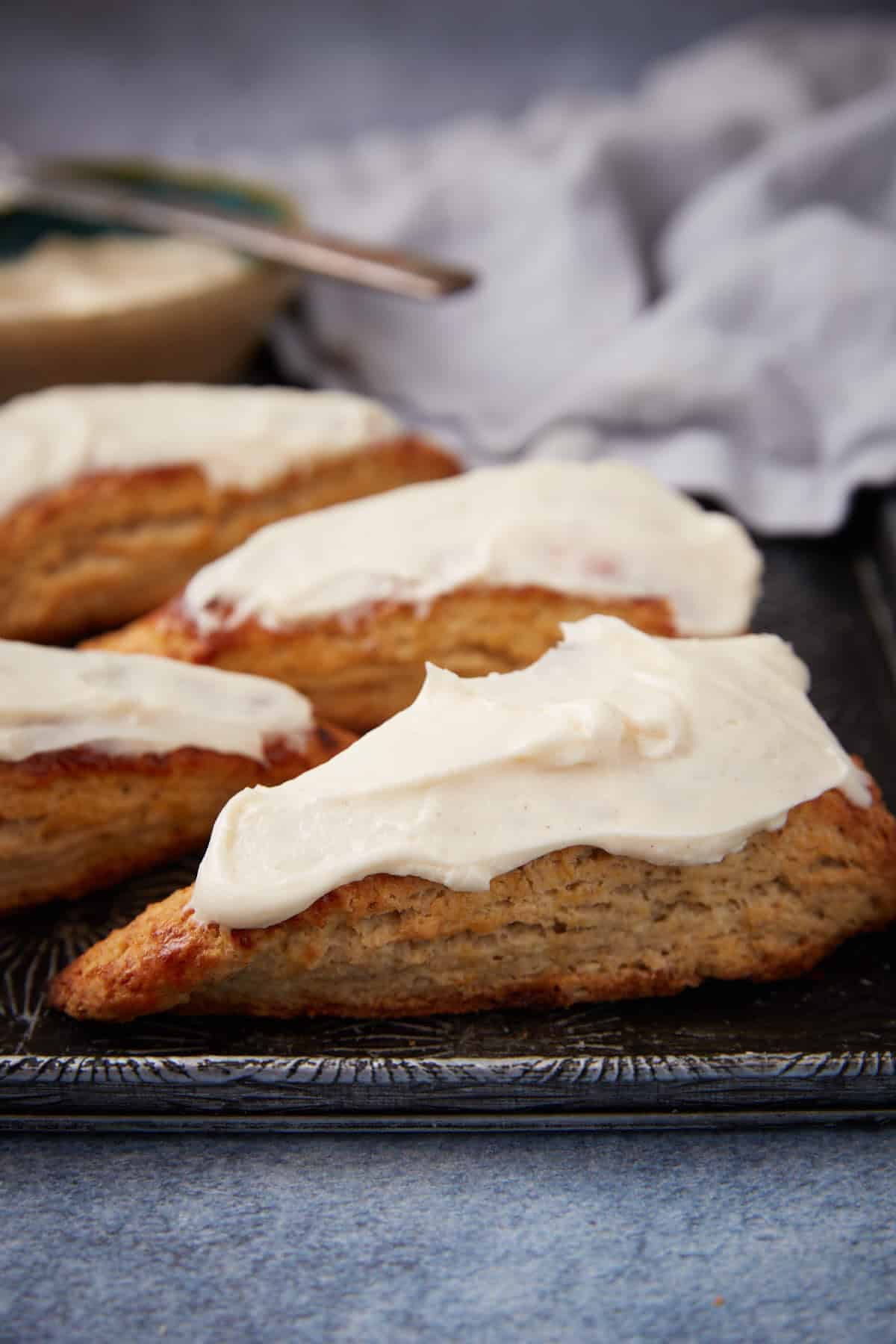
Banana scones don’t have to turn out dense or dry, and this version proves it with a stack-and-fold method that builds real flaky layers around a soft, buttermilk-and-banana crumb. Chopped pecans add texture throughout, and a brown butter cream cheese frosting swaps in for a plain glaze.
The Buttermilk Biscuit Trick That Makes These Scones Flaky
This banana scone is built more like a biscuit than a piece of banana bread, using the same stack-and-fold method I use on my buttermilk biscuits to get real, flaky layers. Buttermilk keeps the crumb light and a little tangy, closer to a good biscuit than a slice of quick bread. I skip the usual powdered sugar glaze here for a browned butter cream cheese frosting, since a few extra minutes browning butter gets you real flavor instead of just sweetness. It’s become one of my favorite scones to make for my friends and family.
What a Trip to London Taught Me About Scones
I started making scones after a trip to London in 2012, where I fell in love with clotted cream more than the scone underneath it. Clotted cream is hard to come by here, so instead of chasing down a substitute, I decided the scone itself needed to carry more flavor on its own. That is the standard I hold every scone recipe to now, whether it needs a topping to be worth eating or if it can stand on its own. This one was built with that in mind from the start.
The Fall Cooking Guide for Busy Families!
FREE EMAIL BONUS: Easy & Delicious Fall Recipes.
Too-Ripe Bananas Finally Have Somewhere to Go
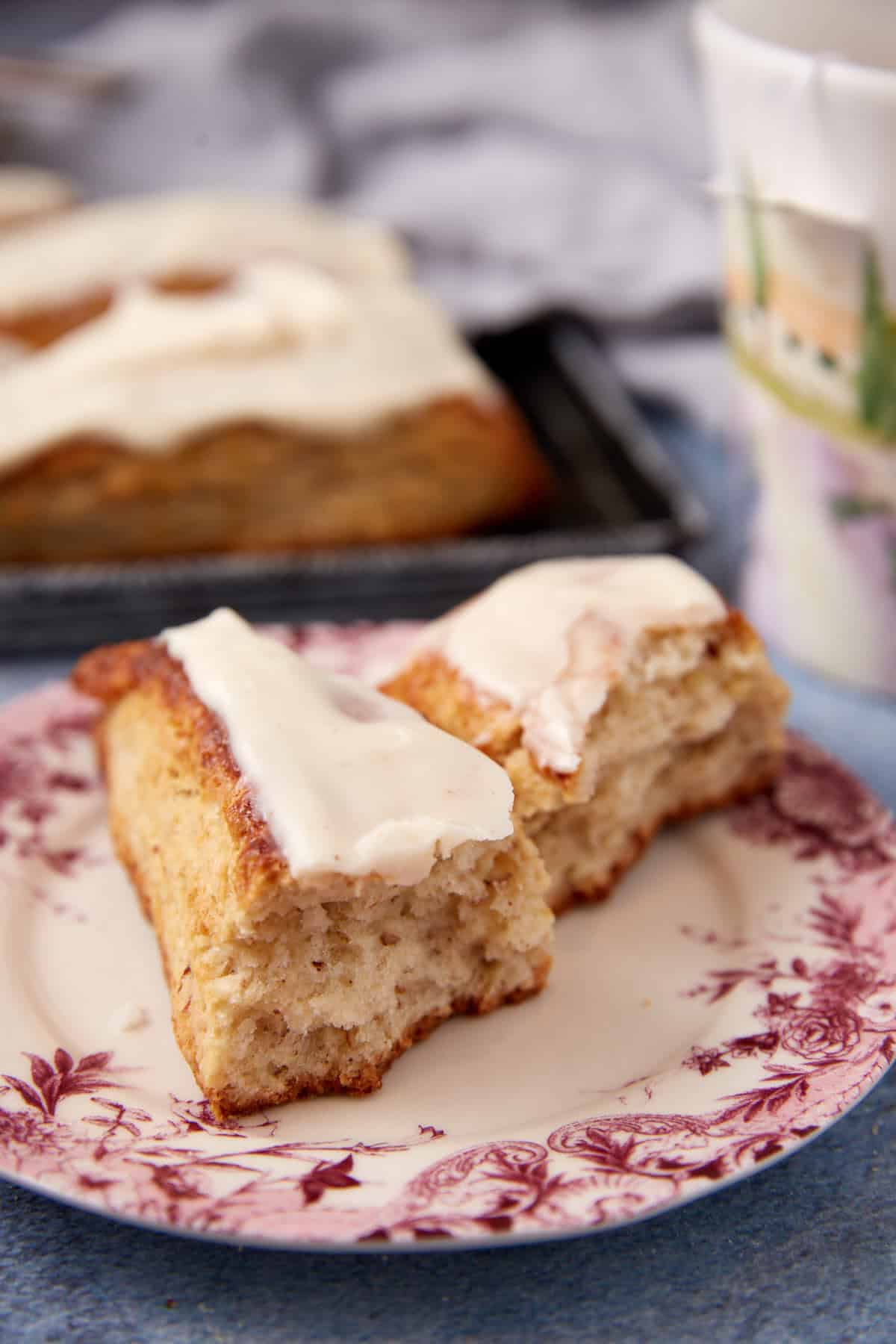
I always seem to have bananas that get too ripe before I can use them, and sometimes I want an alternative to banana bread. Turning them into scones gives me another option that’s just as good my brown butter banana walnut bread with vanilla bean butter
Why Buttermilk Instead of Milk or Cream
My biscuit method already relied on buttermilk, so when I started testing this scone, I used it there too instead of switching to milk or heavy cream. The tang in buttermilk balances the banana’s sweetness, and it keeps the crumb tender. Once I saw how much better this version turned out compared to the early batches I made with milk, buttermilk stayed in for good. It’s the same method behind my square buttermilk biscuits with no scraps, just adapted here for something sweet instead of savory.
Don’t Walk Away From the Browning Butter
- Watch the butter closely once it starts to foam. Pull it the second it turns amber, since it keeps cooking in the hot saucepan and can burn within seconds if you leave it.
- Don’t skip the 30 minutes in the freezer. Cold butter in the dough is what creates steam in the oven, which is what makes the layers rise instead of spread flat.
- Keep the butter cold until the moment you need it. Cold, pea-size butter pieces in the dough are what create the flaky layers, so don’t let it sit out while you prep everything else.
- No food processor? A pastry cutter works fine to cut the butter into the flour, it just takes a few extra minutes by hand.
- These are best the day they’re baked, but they freeze well.
- If your bananas aren’t ripe enough yet, you can ripen bananas in the oven in 15 minutes instead of waiting on them to get brown spots.
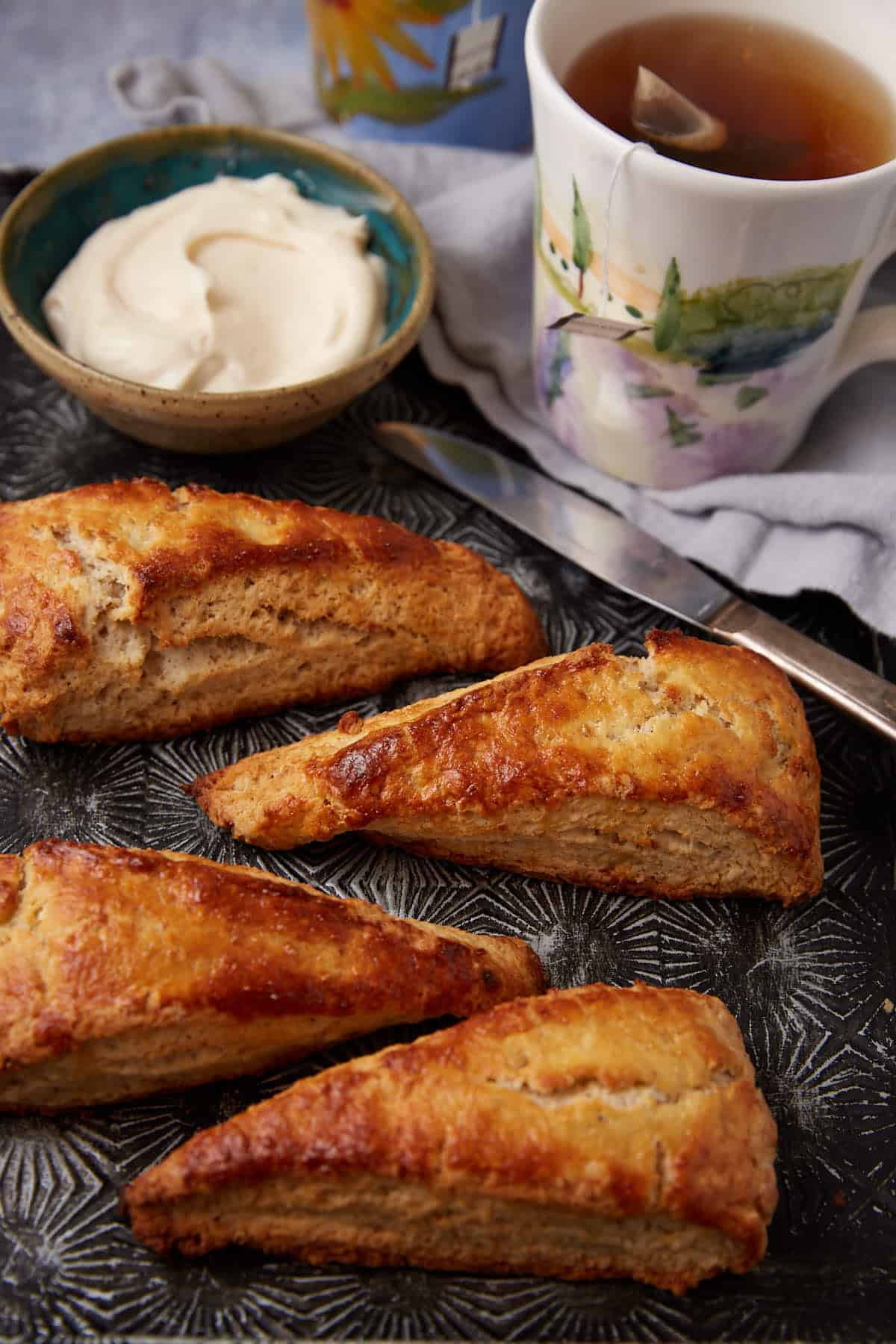
Warm from the oven with the frosting just starting to melt is how these are best, and they rarely last past the morning.
Ripe Bananas and Cold Butter
The exact amounts are in the recipe card below.
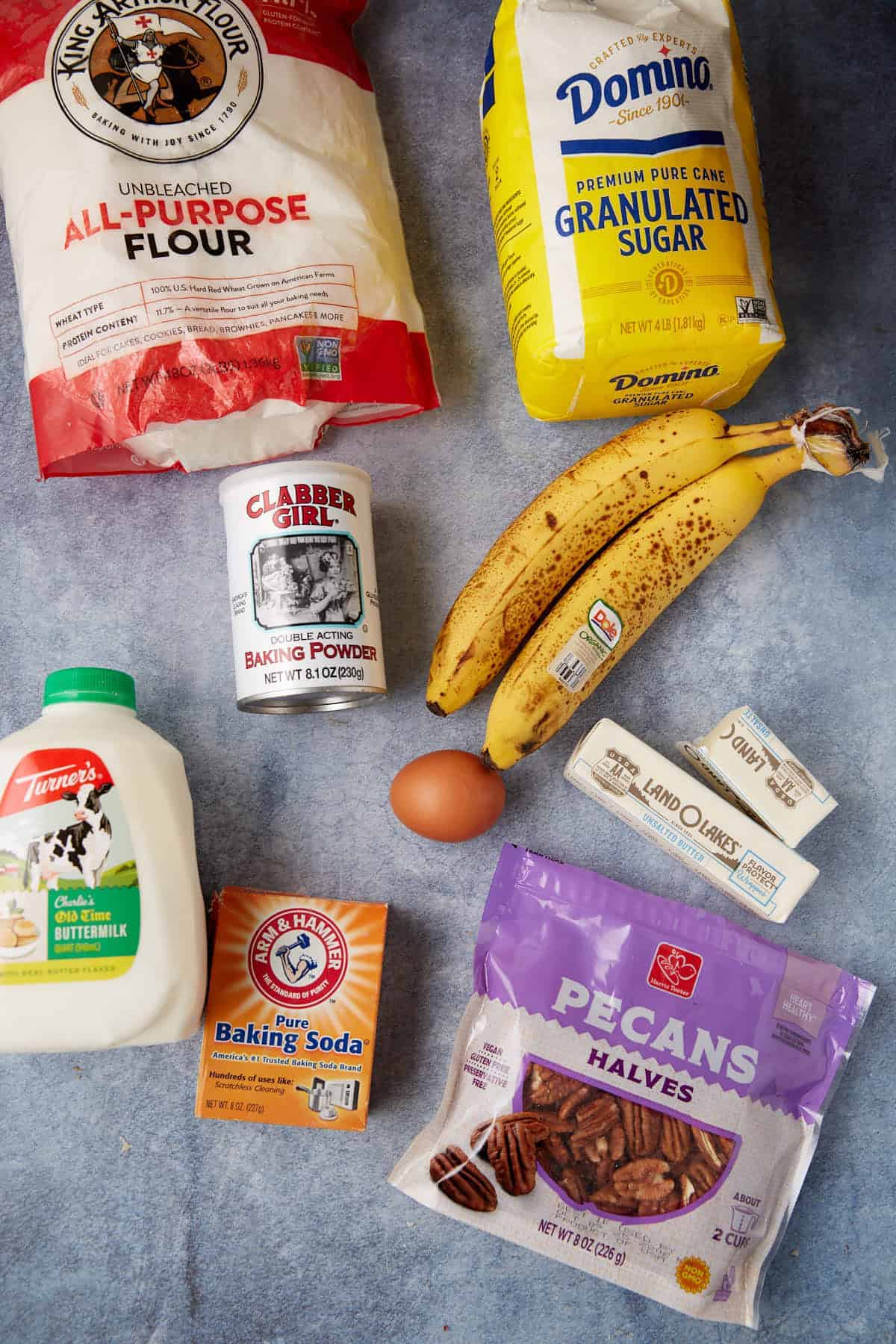
- Bananas. You’ll need one to two ripe bananas to get the half cup mashed this recipe calls for. Go riper than you think, since underripe bananas won’t give you enough sweetness or flavor.
- Cold butter. A stick and a half, cubed and kept cold until the moment you need it. This is more butter than a lot of scone recipes call for, which is part of what makes the layers here so flaky.
- Buttermilk. Full-fat gives you the best moisture and tang for this dough.
How to Make Banana Scones with Cream Cheese Frosting
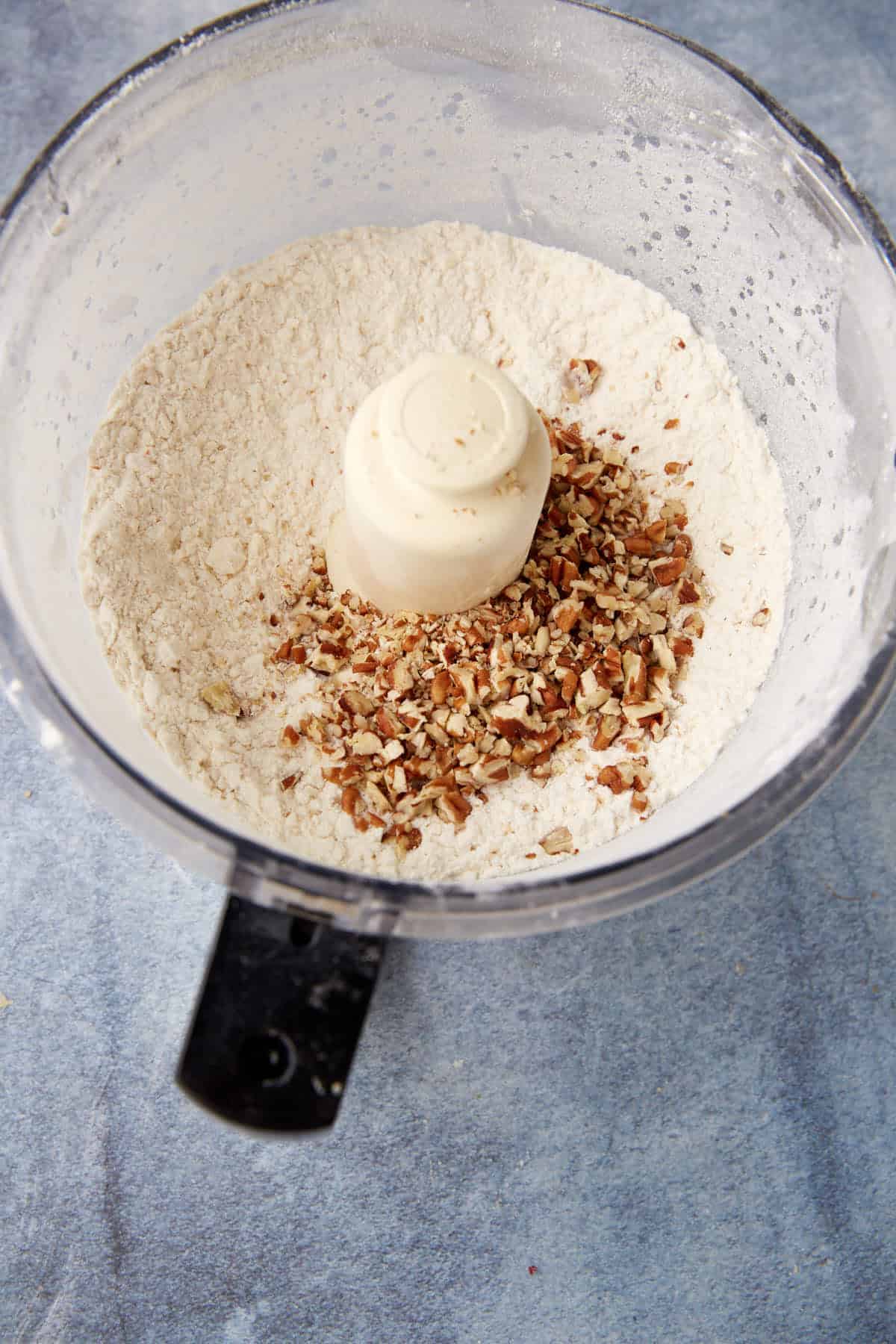
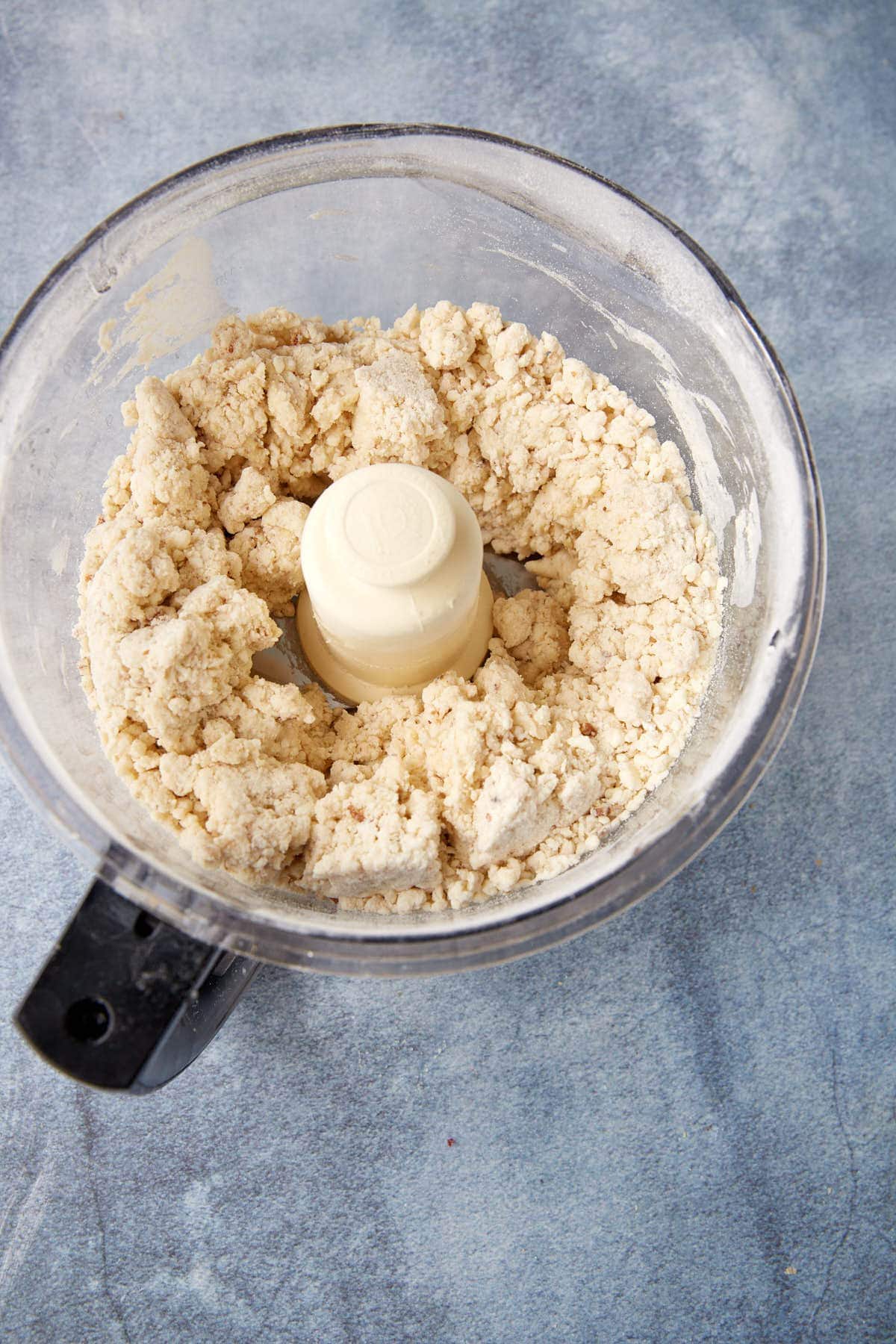
Step One: Make the Dough
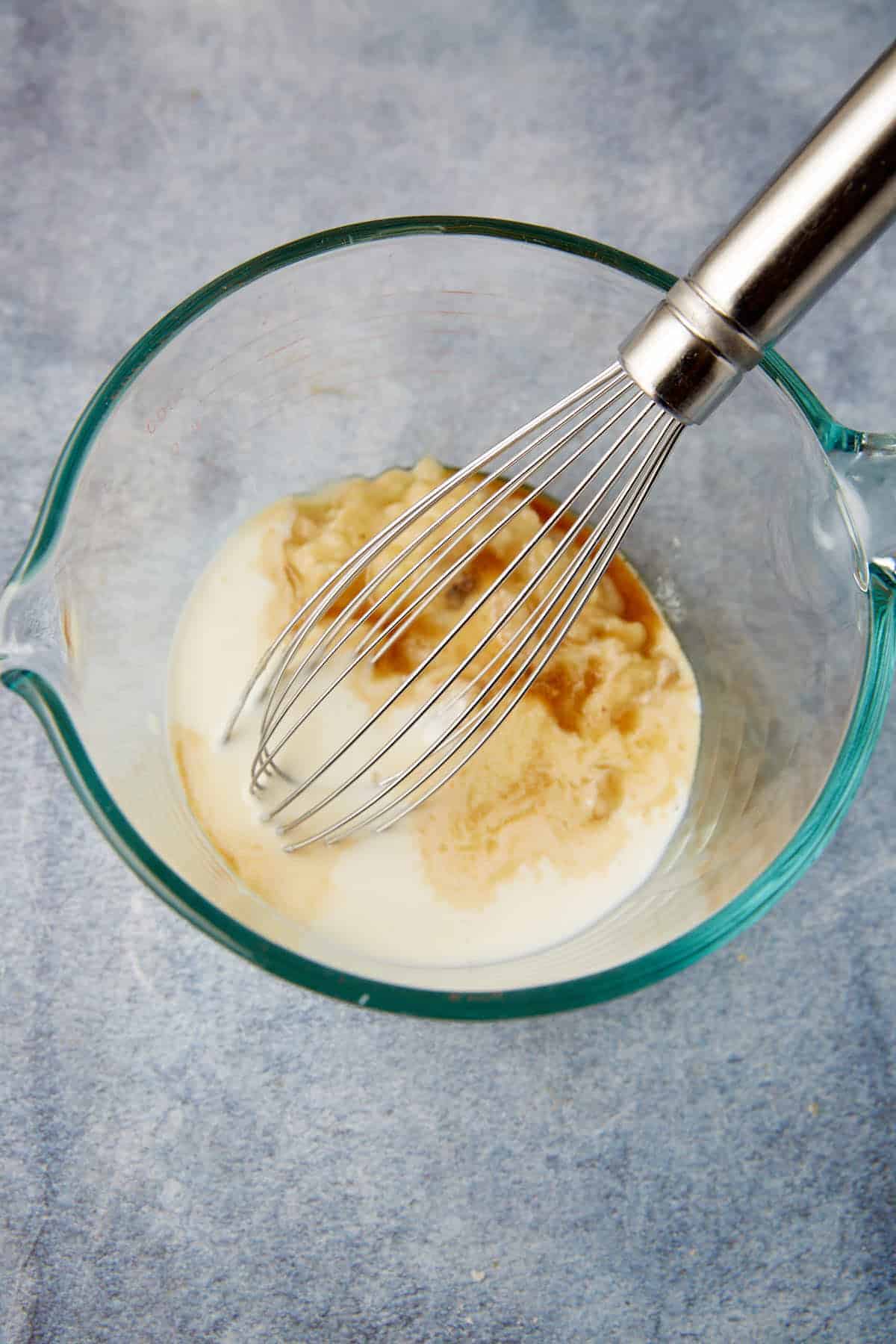
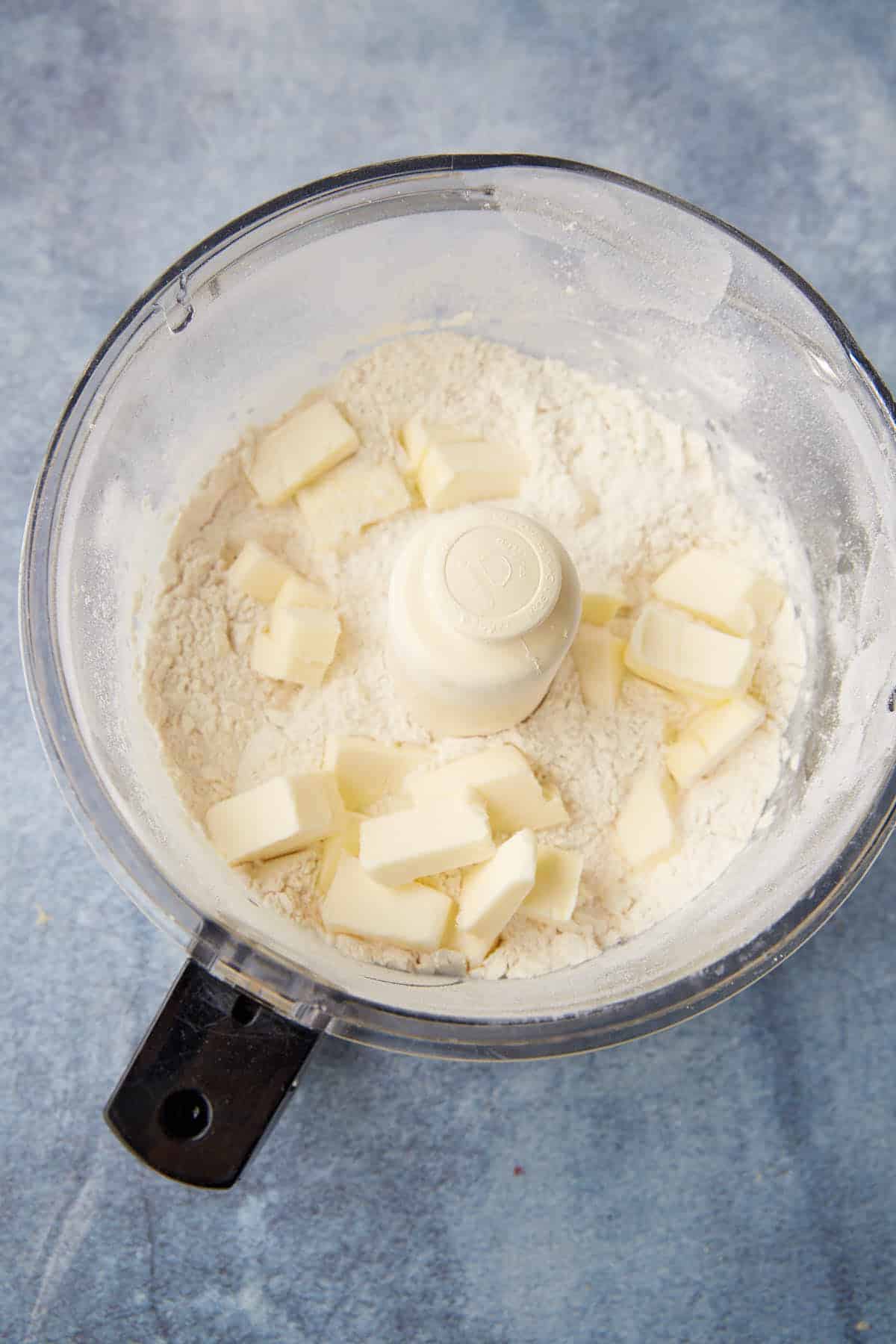
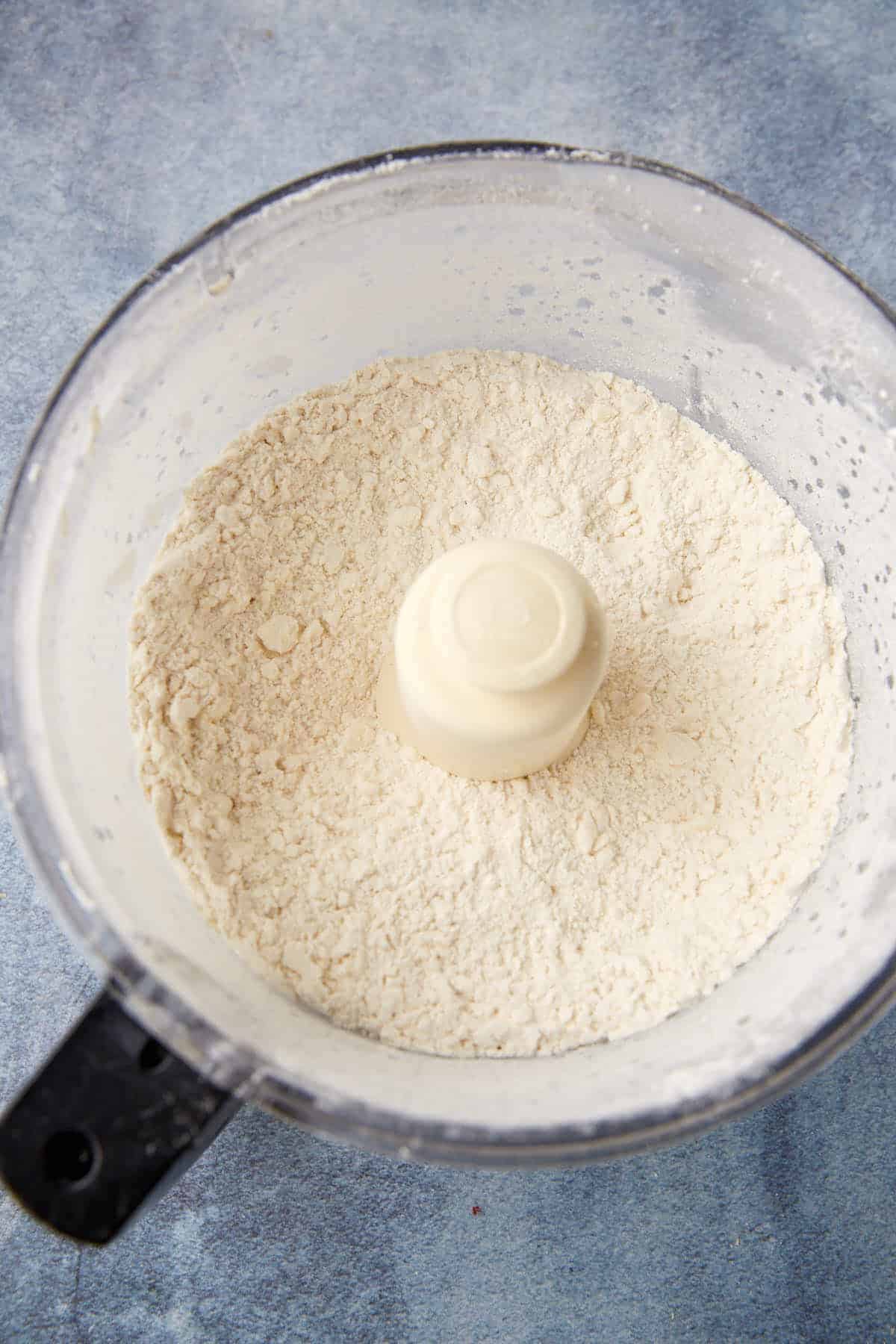
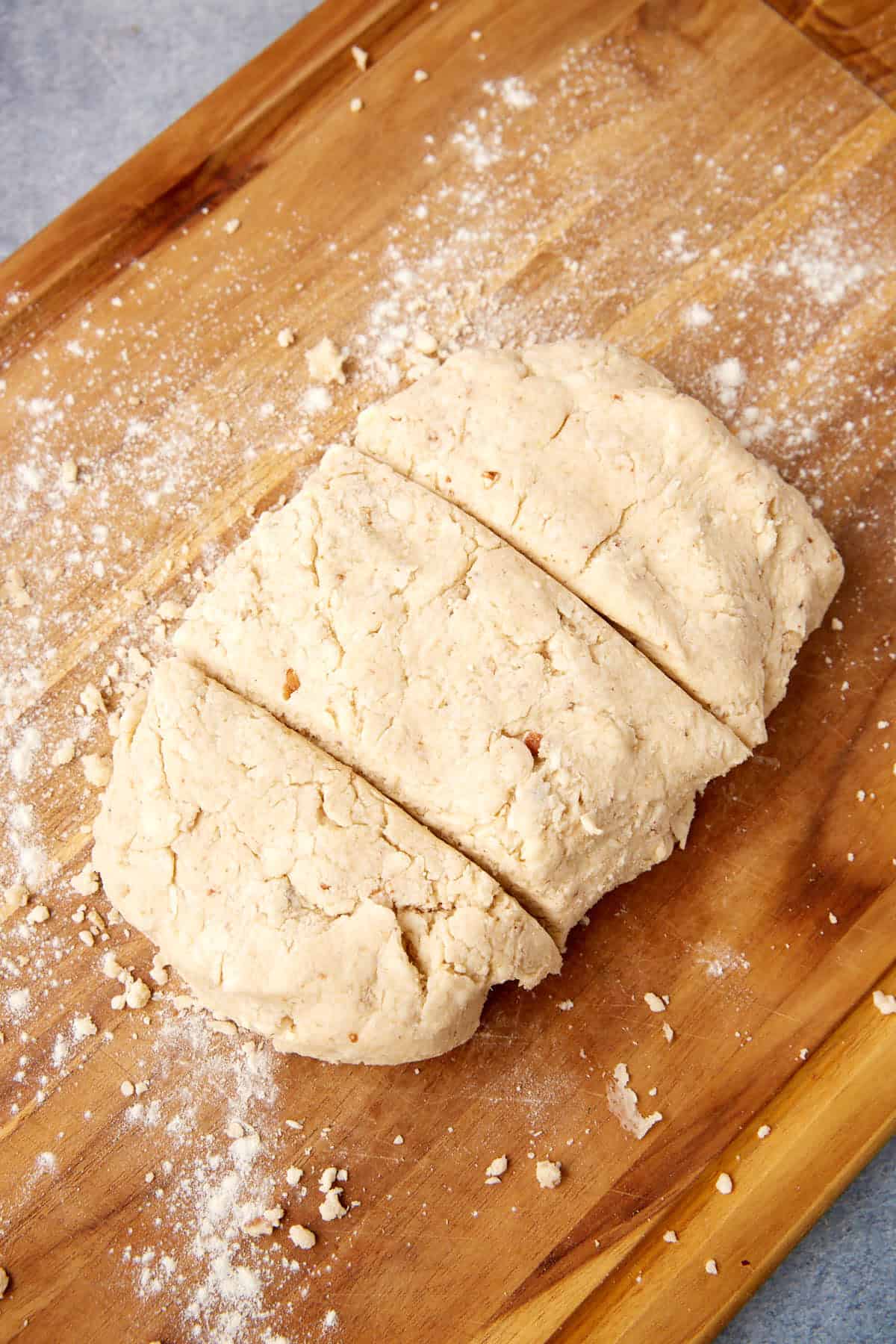
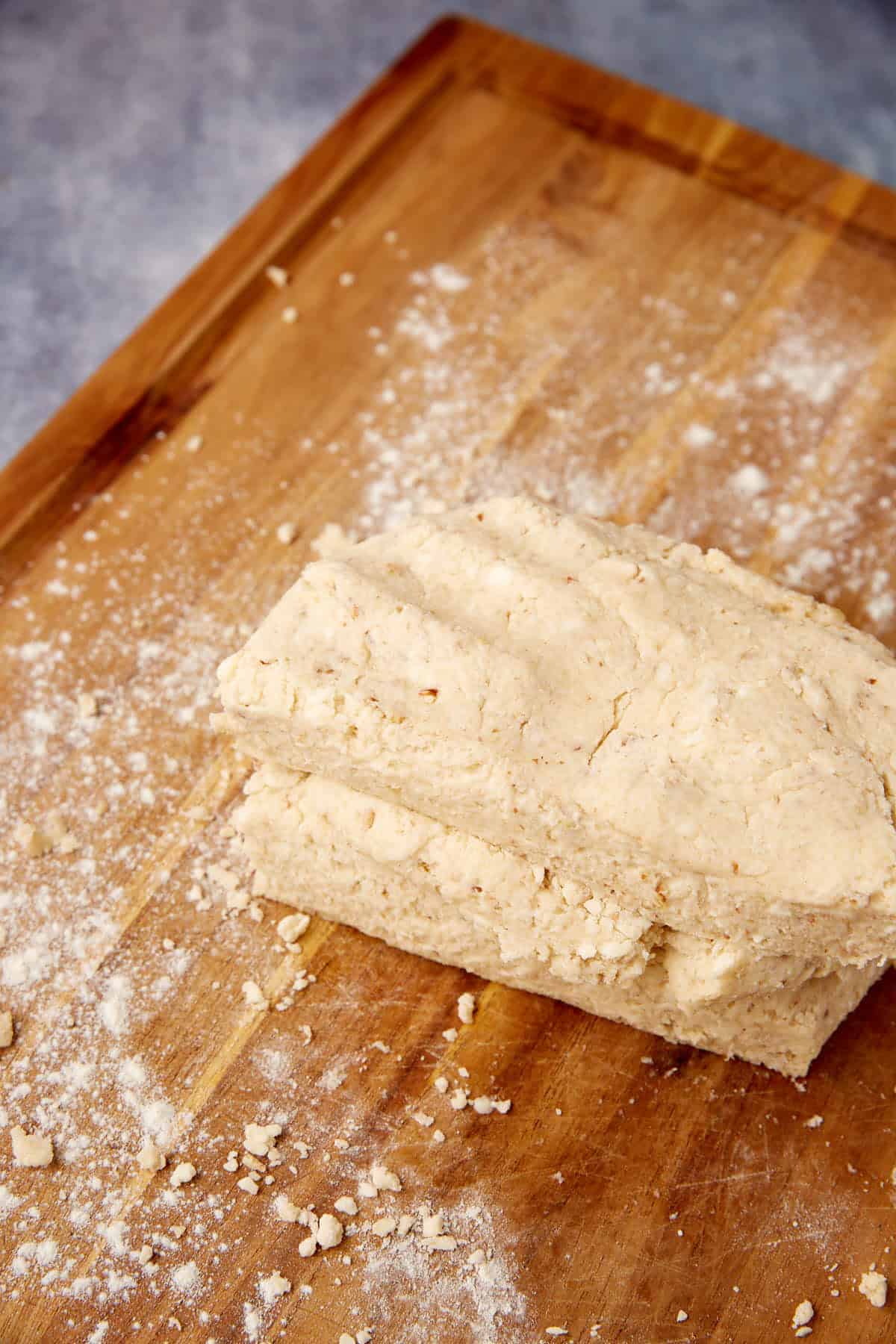
Step Two: Stack and Fold
The folds build the flaky layers. Each stack-and-pat creates thin sheets of butter and dough that puff apart in the oven. Don’t skip the repeats.
Step Three: Shape and Cut
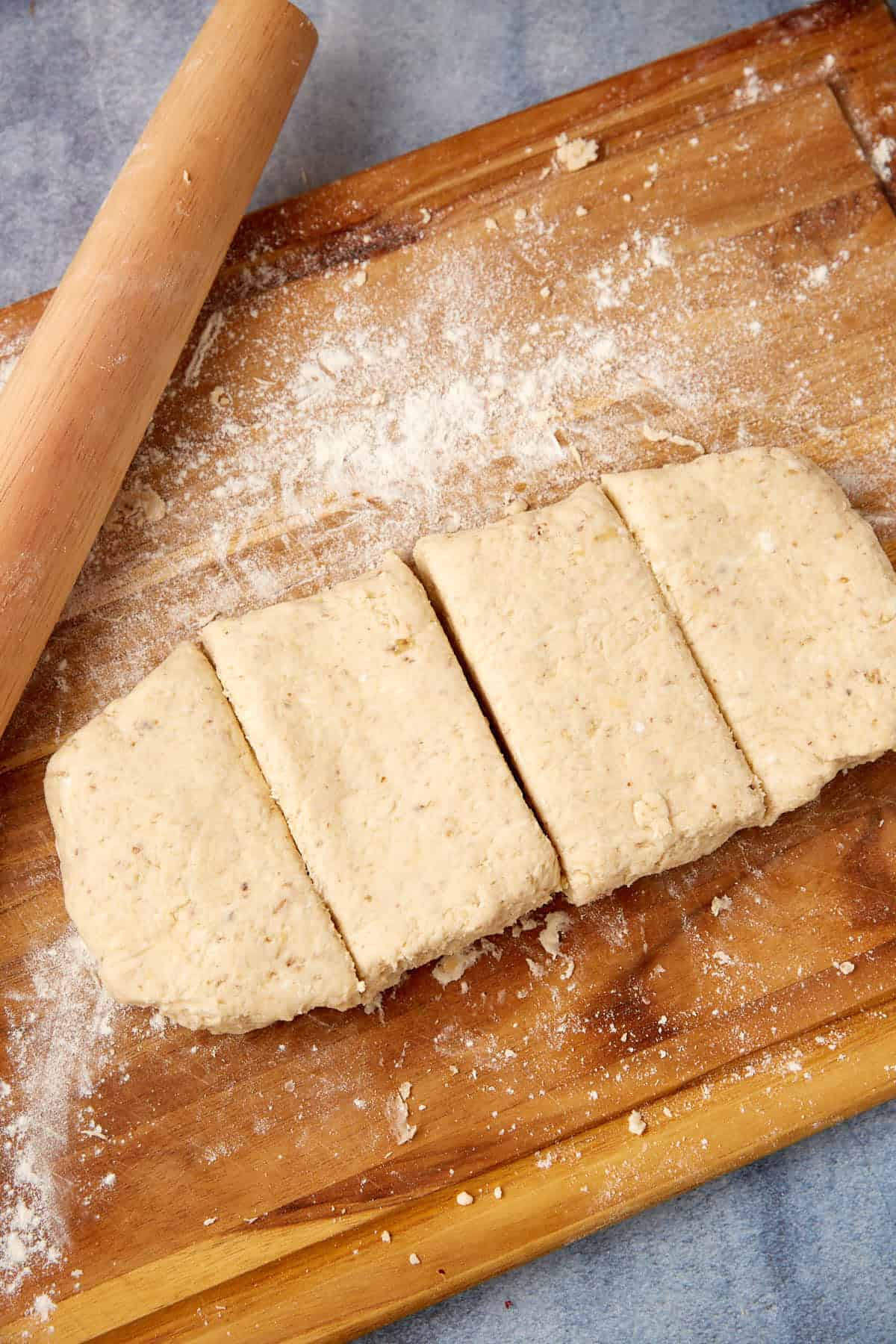
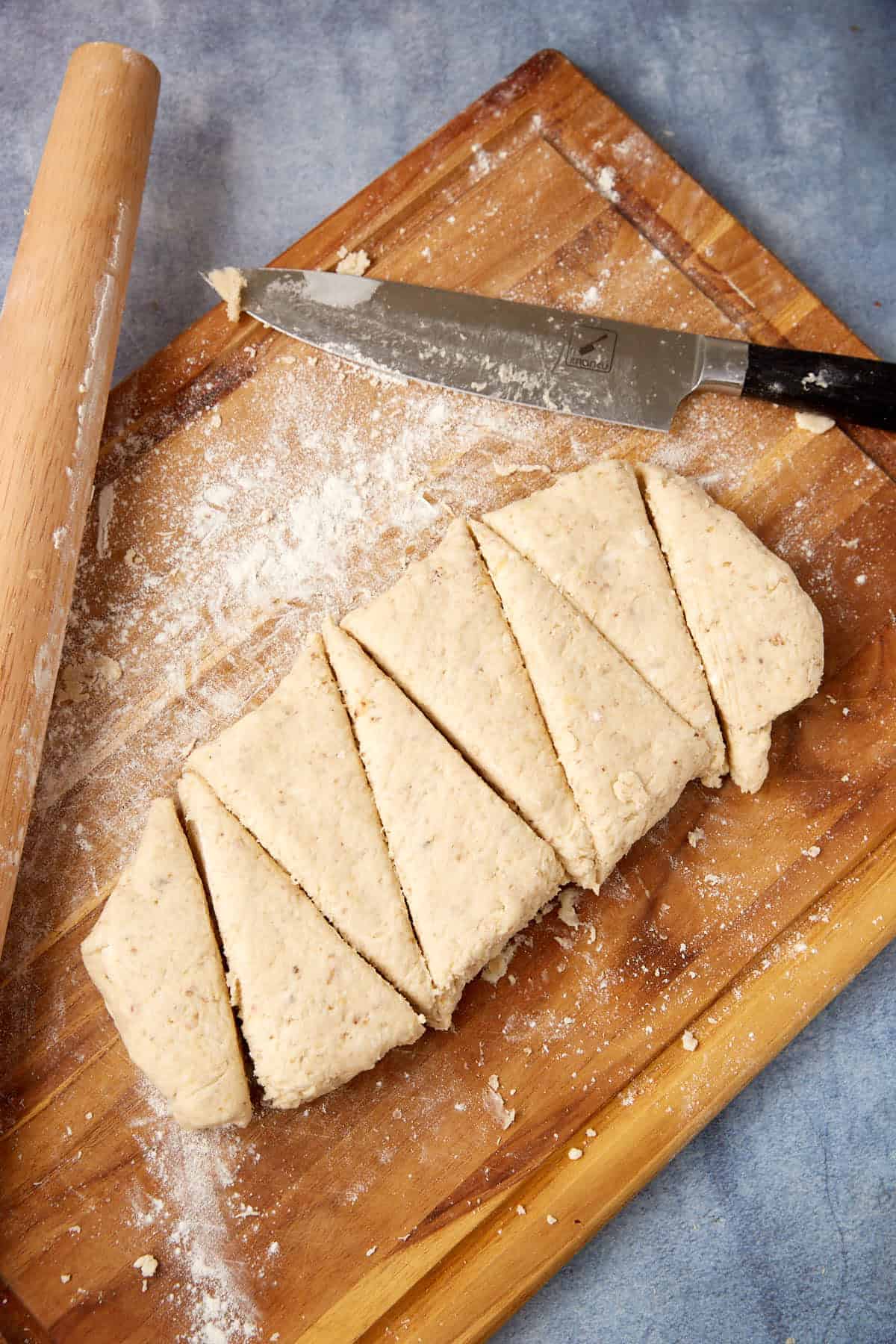
Step Four: Bake
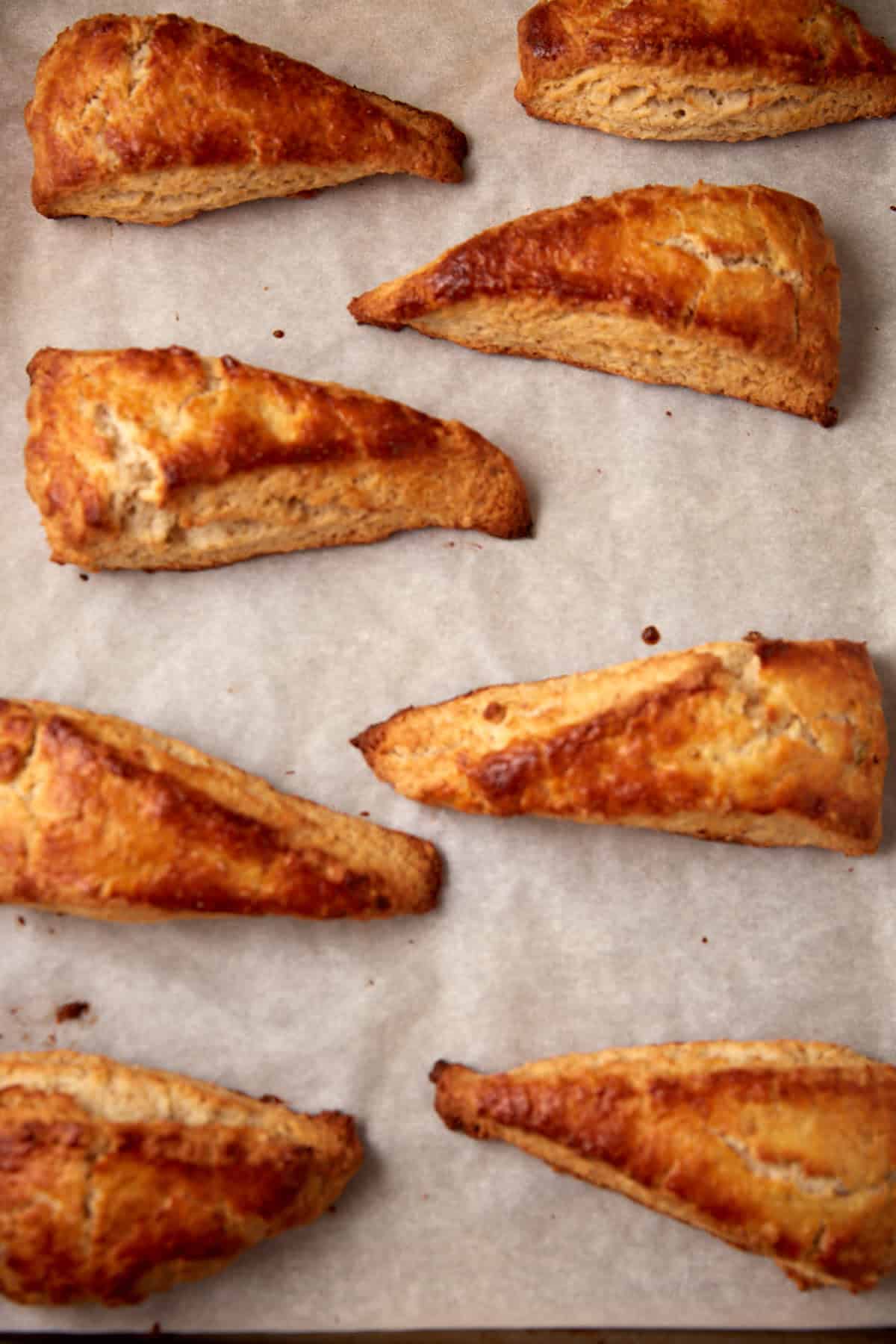
Step Five: Make the Frosting and Finish
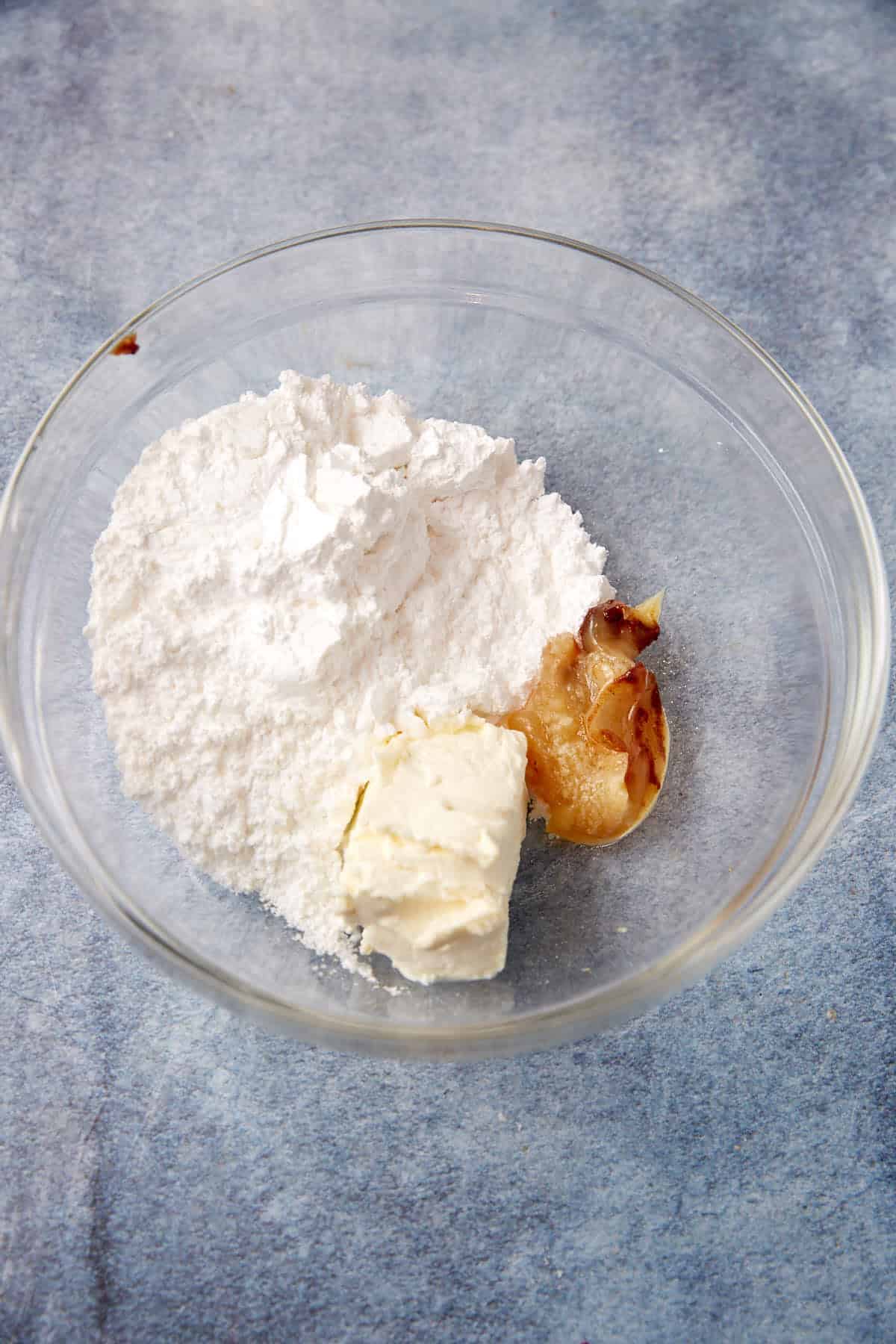
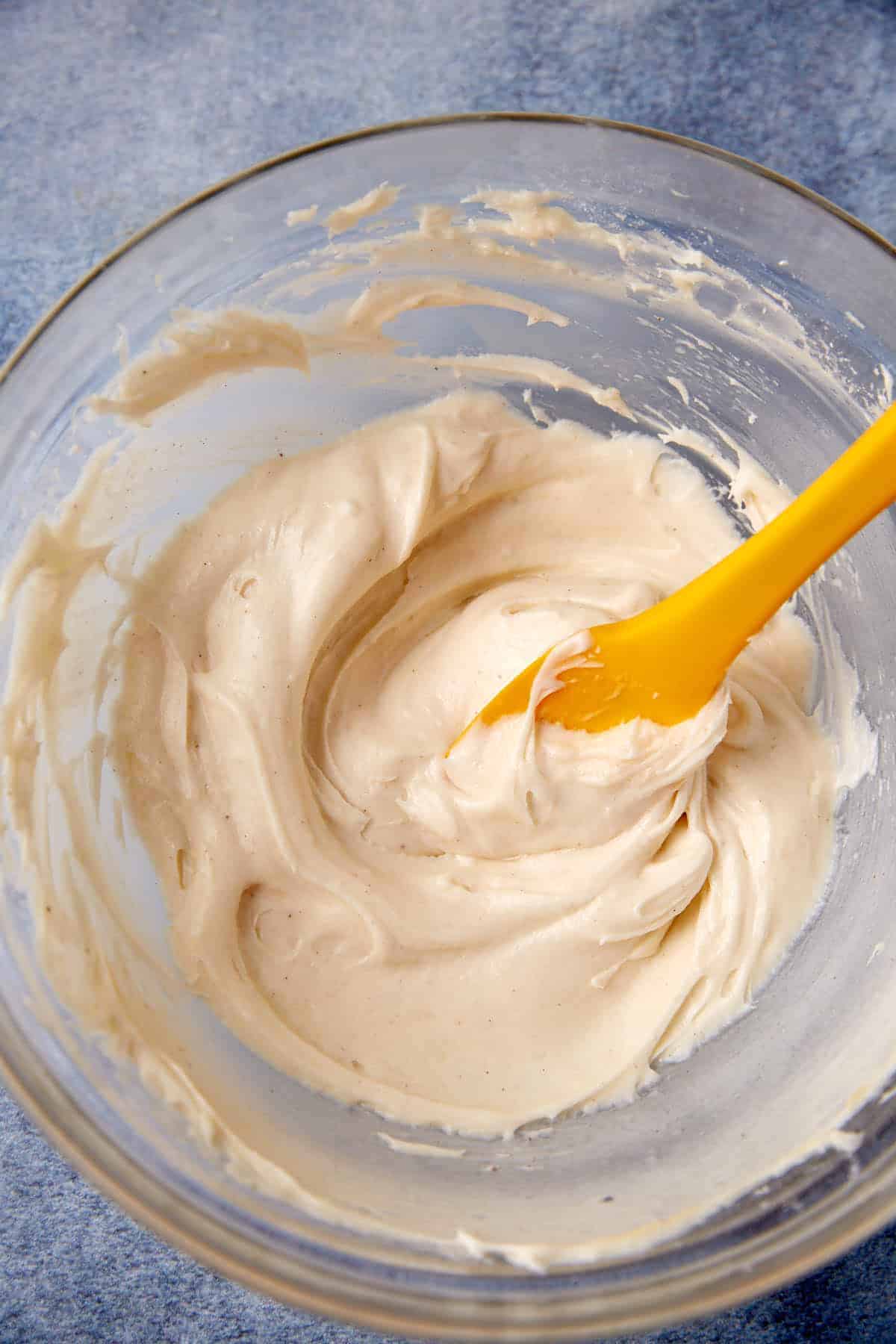
Each extra step here, the fold, the freeze, browning the butter, earns its place, and what comes out of the oven is a scone worth savoring.
If you loved this recipe, give it a star ⭐️⭐️⭐️⭐️⭐️ rating! Also, snap a picture of your finished dish and share it with me on Instagram using the hashtag #butterandbaggage and tagging me @butterandbaggage.
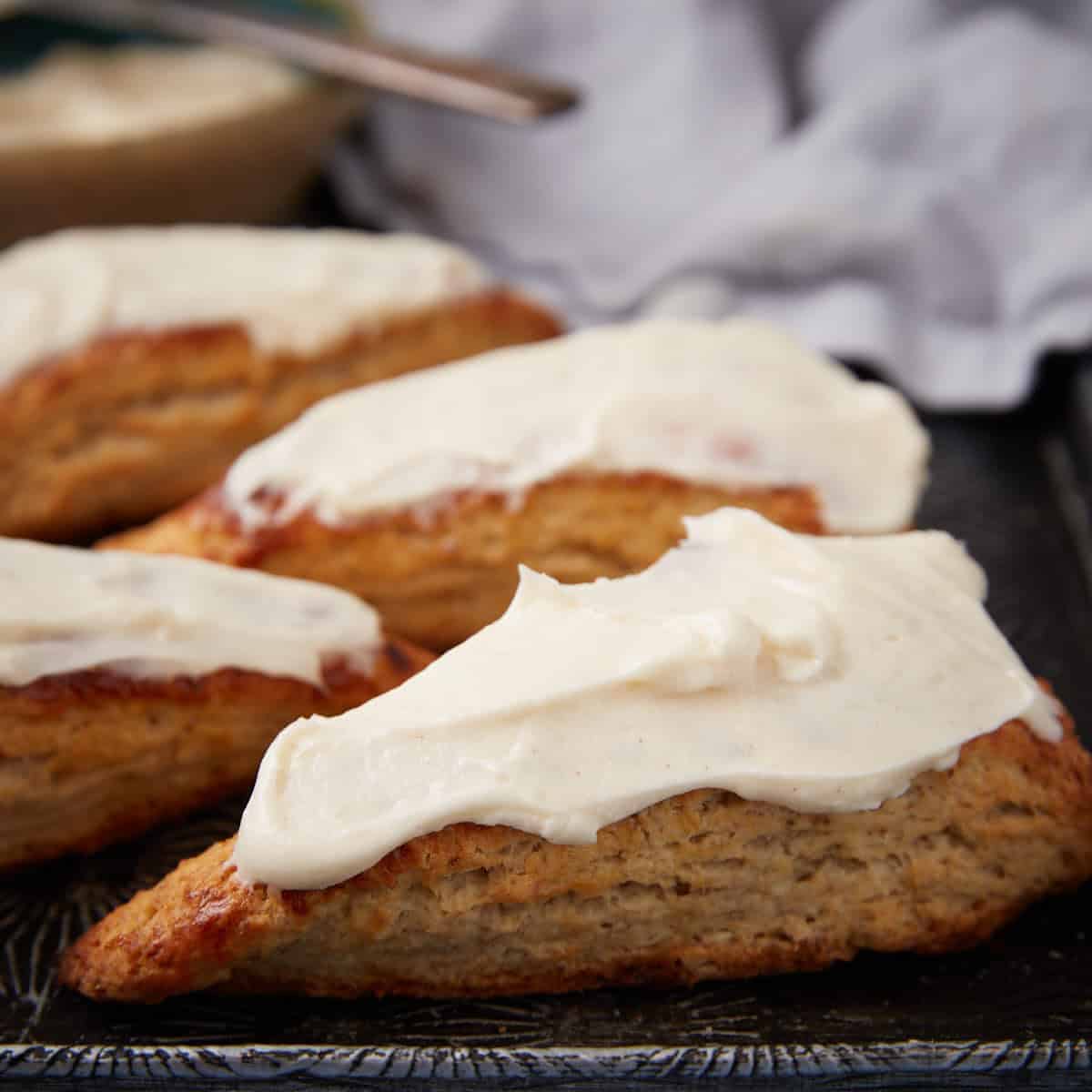
Banana Scones with Brown Butter Cream Cheese Frosting
Equipment
Ingredients
- ½ cup mashed bananas 1-2 bananas
- 1 cup buttermilk
- 1 teaspoon pure vanilla extract
- 2 ¼ cups all-purpose flour
- ¼ cup granulated sugar
- 1 teaspoon baking powder
- ¼ teaspoon baking soda
- ¼ teaspoon salt
- ¾ cup cold unsalted butter 1 ½ sticks
- ½ cup chopped pecans
- 1 egg
- 1 tablespoon buttermilk
Frosting
- 2 tablespoons unsalted butter
- 2 ounces cream cheese
- 1 cup powdered sugar
- ⅛ teaspoon salt
- 1 tablespoon heavy cream
Instructions
- Combine mashed banana, buttermilk and vanilla in a large measuring cup and place in the refrigerator until read to use.
- Add flour, sugar, baking powder, baking soda and salt to the bowl of a food processor and process to mix. Add cold cubed butter and process until the butter is pea size. Add nuts and process until combined.
- Add the buttermilk mixture and process until it just comes together. Dump it out on to a floured cutting board and form into a rectangle. Cut the rectangle into thirds and stack them on top of each other. Pat it down into a rectangle and repeat two more times.
- Roll the dough into a 10 x 4 inch rectangle about 1 inch thick. Cut it crosswise into 4 equal rectangles cut each rectangle in half forming two triangles. Place on a parchment lined baking sheet and freeze for 30 minutes.
- Preheat oven to 400º.
- In a small bowl whisk the egg with a tablespoon of buttermilk and brush over the top of the scones.
- Bake for 20-25 minutes until golden brown. Let cool slightly before adding frosting.
- FROSTING
- Add the butter to a light colored saucepan and melt over medium-high heat, whisking occasionally. It will first melt then foam up. Once it begins to brown, watch it very closely then remove once it has turned an amber color and immediately remove from the saucepan to a glass bowl or measuring cup. Refrigerate until slightly solid.
- In the bowl of an electric mixer, add the solid brown butter that is slightly soft with the cream cheese and beat on high speed until creamy and smooth. Add vanilla and salt and mix to combine. Gradually add the powdered sugar and beat on low speed so that it doesn’t fly out of the bowl. Once incorporated, beat on high until smooth and creamy.
Barbara’s Tips + Notes
- Let the cream cheese come to room temperature before mixing, otherwise it won’t blend smoothly with the cooled brown butter.
- The scones are done when the tops are deep golden brown, not just lightly colored.
- If the frosting is too thick to spread easily, thin it with an extra teaspoon of cream.
Nutrition
 Follow Me On SocialDid you make this recipe? Mention @ButterandBaggage or tag #ButterandBaggage
on Instagram!
Follow Me On SocialDid you make this recipe? Mention @ButterandBaggage or tag #ButterandBaggage
on Instagram!
Leave a Reply